
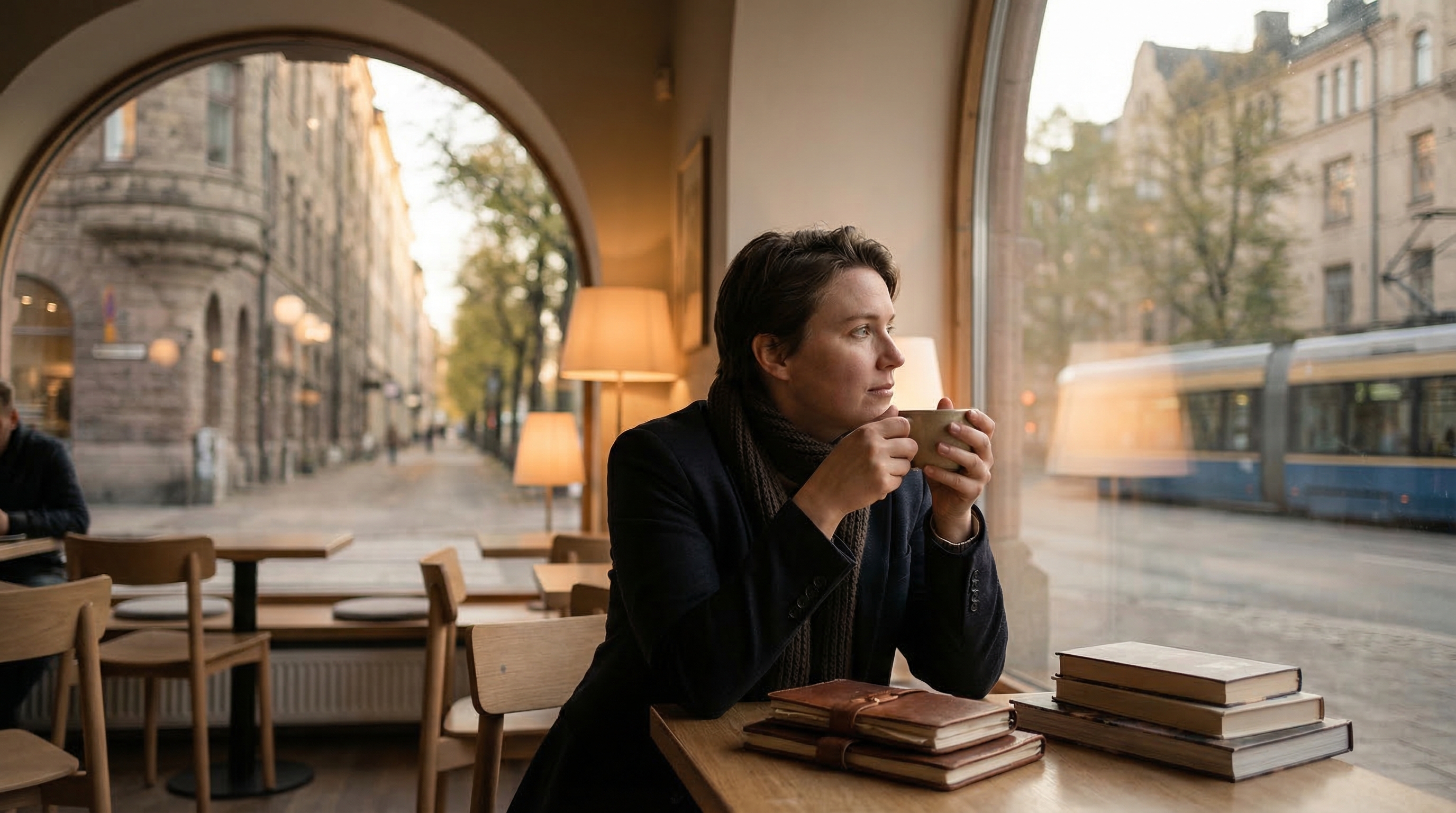
Psychology of Partner Selection: Why Germans Are So Selective in Dating
A deep dive into the German mindset when it comes to dating — from philosophical roots to compatibility science
Introduction: Selectivity as a Cultural Value
When it comes to love, Germans have a reputation: they're selective. Not superficially critical, but thoughtfully deliberate. This mentality isn't simply arrogance or inflated expectations—it's a reflection of a cultural and psychological identity that prioritizes quality over quantity and authenticity over superficiality.
The psychology of partner selection among Germans differs fundamentally from globally marketed dating concepts. It's rooted in rational analysis, long-term compatibility assessment, and trust in personal intuition. This explains why serious relationship-seeking for German-speaking singles is not just an emotional process, but an intellectual one as well.
The Role of German Mentality in Partner Selection
Precision as the Language of Love
German culture has a historic preference for thoroughness and accuracy. This trait directly translates to partner selection psychology. When a German embarks on a search for a partner, it's not an impulsive venture—it's a carefully considered process.
This shows in how criteria are established. A German-speaking single will take time to define their partner selection criteria. Not out of stubbornness, but from the understanding that genuine compatibility doesn't happen by chance; it's built intentionally. The question "Does this person align with my values, my goals, my lifestyle?" is taken seriously.
The Influence of Enlightenment Philosophy
German intellectual tradition—from Kant to modern psychology—has shaped the idea that rational deliberation and emotional fulfillment can go hand in hand. This affects the German dating mentality: feeling alone isn't enough. It has to make sense.
A study by the University of Leipzig shows that German-speaking singles statistically cite long-term compatibility more often as a selection criterion than spontaneous emotional attraction. This doesn't mean passion is absent—it's simply combined with intellectual reflection.
Psychological Factors Behind German Selectivity
1. The Need for Authenticity
For the German dating mentality, authenticity is non-negotiable. This culture has developed a deep skepticism toward superficiality and facades. The psychological root lies in valuing "genuineness"—an idea rooted in Romanticism that still resonates today.
In online dating, this means: a profile that seems too polished creates suspicion. A heavily edited photo will be noticed and judged. German singles look for the small imperfections that signal authenticity. This explains why serious relationship-seeking in Germany is often marked by honest, unfiltered self-presentation.
2. The Concept of "Fit"
In relationship psychology, there's the "fit theory." For German speakers, this is central. It's not just about liking someone—it's about whether life plans, values, and daily routines align.
A practical example: A Munich professional will ask whether a potential partner shares their love of hiking weekends. A Berlin single will evaluate whether the lifestyle—cultural interests, social circle, career ambitions—is compatible. This isn't superficiality; it's rational planning for longevity.
3. The Protection of Privacy
German and Austrian culture places great value on privacy and boundaries. This has direct consequences for partner selection psychology. A potential partner is evaluated not only for romantic compatibility but also for their respect of boundaries and private space.
Psychologically, this means: German singles invest time in vetting someone before allowing emotional or physical closeness. It may appear selective from the outside, but it's actually a psychological protection mechanism that fosters long, stable relationships.
Regional Differences in Partner Selection
Northern German Pragmatism
Northern German singles—particularly in Hamburg, Bremen, and Berlin—tend toward a more analytical approach. Psychological research shows that North Germans often communicate more directly in relationship matters, use fewer emotional descriptions, and move quickly to practical questions: "Where do you see yourself in five years? Do you want children?"
This isn't cold—it's efficient. It reduces the risk of misunderstandings and emotional waste.
Southern German Warmth with Due Diligence
In Bavaria and Baden-Württemberg, selectivity is equally present but softened by regional warmth. Here, factors like shared hobbies, local roots, and family play larger roles in partner selection criteria.
A Munich resident won't only check compatibility but also ask: "Does this person fit into my social circle? Do we share the same understanding of quality of life—mountains, culture, family?"
Austrian and Swiss Subtlety
In Austria and Switzerland, selectivity is wrapped in greater sophistication. Psychologically, this combines southern warmth (Vienna, Salzburg) with northern rigor (Zurich, Bern). The German dating mentality is refined here through cultural nuance.
Austrian singles value humor and social grace. Swiss singles prioritize reliability and shared values. But both take their time.
The Scientific Perspective on German Selectivity
Selection Through Loss Aversion
Behavioral economics and psychology show that people in Germany and the DACH region exhibit higher "loss aversion." This means: the pain of making the wrong choice weighs more heavily than the joy of finding someone quickly.
This leads to higher standards in partner selection psychology. A German would rather search longer than enter a relationship that doesn't fit. This also explains why serious relationship-seeking in Germany takes longer but leads to more stable relationships.
The Matching Principle
Psychological research confirms: people select partners similar to themselves (homogamy). German singles practice this consciously. They don't seek their opposite; they seek complementary alignment.
An example from a University of Heidelberg study: German singles with academic backgrounds choose academic partners in 72% of cases. This isn't snobbery—it's the practical application of relationship psychology. Similar education often means similar communication styles, similar leisure interests, and similar financial perspectives.
The Role of Digital Dating
Algorithms Meet German Mentality
Digital dating hasn't reduced German selectivity—it's channeled it. Online platforms allow partner selection criteria to be defined precisely: age, education, location, interests, values.
For German-speaking singles, this is ideal. They can filter rationally before investing emotionally. This explains why serious relationship-seeking online is so successful in Germany—it appeals to the analytical side.
Text as an Indicator
In online dating, German singles pay particular attention to writing quality. Grammar, care in self-description, the way someone presents their interests—all of this is analyzed. A poorly written profile is often overlooked, not from elitism, but because writing quality is interpreted as an indicator of attention to detail and education.
What This Selectivity Is Not
Not: Loneliness from Impossibly High Standards
It's a misunderstanding to see German selectivity as the reason for loneliness. Rather, the ability to choose consciously is a sign of psychological health. People who know what they want are less vulnerable to toxic relationships.
Not: A Lack of Romance
German selectivity is not the opposite of romance. It's a different form of it. Instead of spontaneous passion, a deep trust in shared values is treasured. Instead of butterflies on a first date, the quiet confidence of "this could become something lasting" is sought.
This form of romance is no less intense—it's simply more patient.
Not: Superficiality
Paradoxically, German selectivity can also mean being less superficial. When superficial criteria like looks aren't the first hurdle, but communication, values, and lifestyle compatibility are, the selection is actually more profound.
Practical Implications for Serious Relationship-Seeking
What German Singles Can Learn from Their Own Nature
Embrace selectivity: It's not a weakness but a psychological tool for better decisions.
Communicate standards: Rather than hiding them, they should be articulated openly. Recognizing potential partners who don't fit is efficient.
Invest time: German mentality understands that good things take time. This should apply to partner-seeking as well.
Integrate intuition with rationality: German psychology is unique here—it allows feeling and reason to merge.
Conclusion: A Cultural Trait as Strength
The psychology of partner selection among Germans is not a holdover from earlier, more restrictive times. It's a modern, psychologically grounded approach that places longevity, authenticity, and mutual respect at its center.
Selectivity in partner selection psychology, properly understood, is an expression of self-respect and the desire for genuine, fulfilling relationships. It means that German dating mentality is not: "Take what comes." Rather: "Wait for what fits."
In a world that glorifies quick, superficial connections, this is a gentle but powerful resistance. A commitment to quality over quantity. To serious relationship-seeking that is respectful—toward others, but above all toward oneself.
For those who share this mentality, there is hope: there are others who are equally selective. Who also wait. Who are equally convinced that the right person, found at the right time, is worth more than a thousand superficial matches.
That is the psychological and cultural truth behind German selectivity in partner-seeking.
Read more
The German Dating Etiquette: A Fresh Look at Relationship Norms
Explore the art of German dating etiquette and how to act authentically in a respectful relationship.
German Dating Etiquette: A Fresh Perspective on Respectful Encounters
Discover how German dating etiquette fosters authentic relationships and what it means to seek serious partnerships.
Communication Skills: The Key to Serious Relationships
Discover how excellent communication skills can enhance your chances of serious relationships in Germany.