
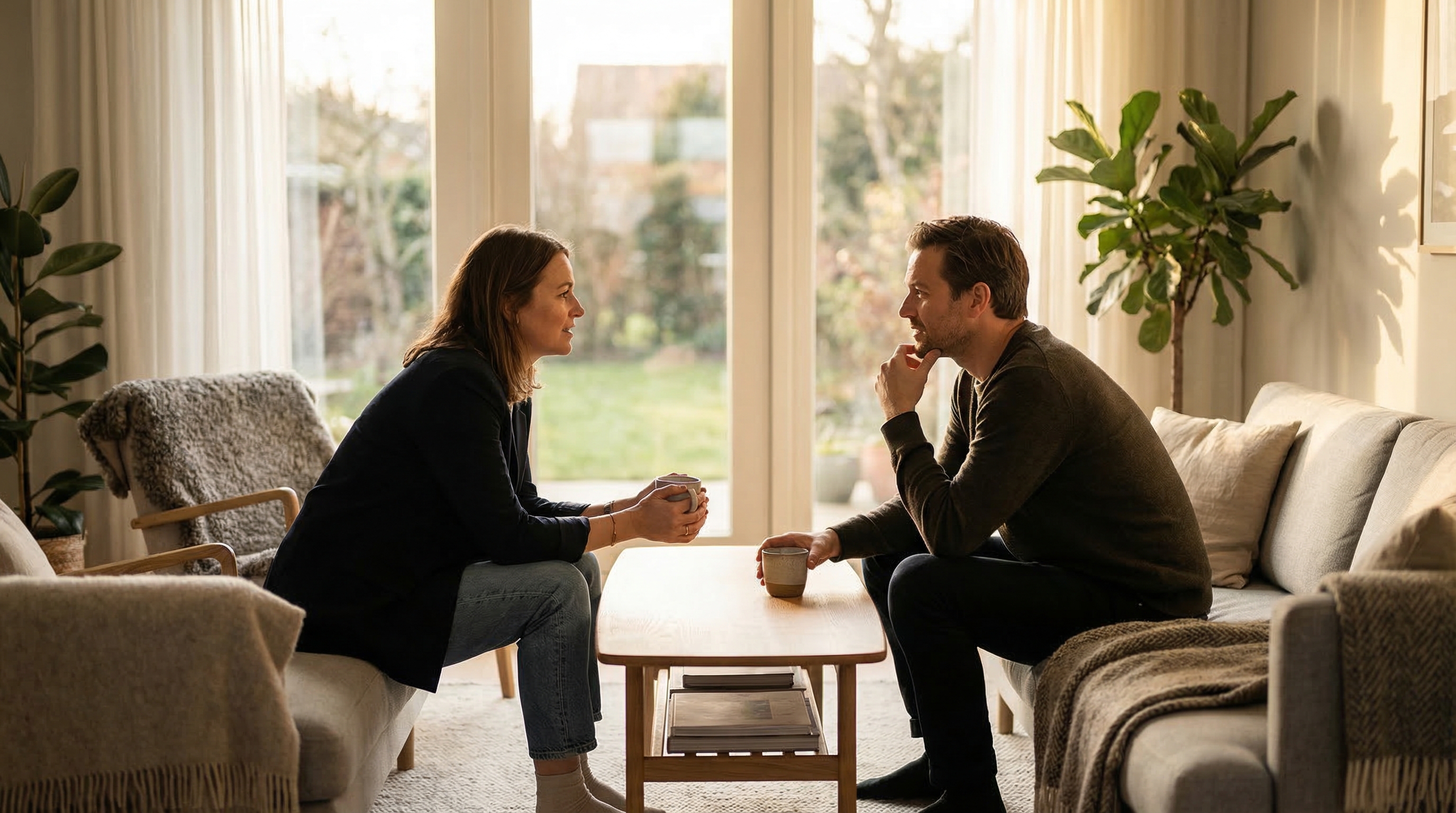
The Psychology of Partner Selection: Why Germans Are So Selective
A deeper look at the cultural and psychological factors that shape German approach to dating and relationships
The Psychology of Partner Selection: Why Germans Are So Selective
The German approach to dating differs fundamentally from many other cultures. Anyone searching for a partner in Germany quickly notices: people don't swipe casually here. There's a deeper, more methodical approach—one woven through psychological patterns and cultural values.
This selectiveness is often misunderstood. It's not arrogance or closed-mindedness. Rather, it's a conscious, reflective approach to partner selection rooted in German culture, history, and psychological research.
The Role of German Thoroughness in Partner Selection
German culture is renowned for its meticulousness—a mentality that extends into the most intimate areas of life. In serious partner search, this shows particularly clearly.
Scientific research suggests that people in cultures with high uncertainty avoidance (like Germany) tend to spend more time on decisions. This isn't paranoid or pessimistic—it's preventative. The psychological basis: when a decision has long-term consequences (and a partnership certainly does), it deserves thorough consideration.
This thoroughness manifests in several behaviors:
Comprehensive Information Gathering: German singles actively research. They read profiles carefully, examine multiple photos, read between the lines. This isn't mistrust—it's applying methodology to partner selection.
Slower Escalation: Unlike cultures where rapid romantic escalation is normal, Germans prefer a slower process. The first meeting is a conversation—a genuine, substantive one. The goal is understanding the other person, not impressing them.
Critical Evaluation: A second date doesn't automatically follow the first. There's evaluation. Does this person align with my values? My lifestyle? This internal analysis is part of the German approach to partner selection.
Psychological Roots: The Attachment Style of Central Europeans
Attachment psychology—developed by researchers like John Bowlby and Mary Ainsworth—offers a valuable framework for understanding German selectiveness.
German and Austrian adults often exhibit a secure attachment style characterized by:
Realistic Expectations: People with secure attachment don't harbor unrealistic fairy-tale notions of love. They understand successful partnerships are built on mutual understanding, communication, and compromise—not sparks and chemistry alone.
High Standards for Trustworthiness: Secure attachment correlates with a need for reliability. In a culture with strong data protection laws and privacy consciousness, trustworthiness isn't optional—it's fundamental.
Wariness of Unnecessary Emotional Injury: This isn't anxiety disorder—it's rational caution. German singles understand that unchecked emotional investment in unsuitable partners leads to pain. Selectiveness is a protective mechanism.
Selection Criteria: What Really Matters?
When German singles discuss their partner selection criteria, an interesting pattern emerges—one starkly different from superficial dating app logic.
Intellectual Compatibility: This isn't snobbism. In a country where education is highly valued and professional expertise connects directly to identity, intellectual alignment is essential. Can I have substantive conversations with this person? Do we share similar intellectual interests?
Values Congruence: Germans tend to take their life philosophy seriously. Whether someone prioritizes sustainability, family, career, or self-actualization—these fundamental values must at least partially align. A relationship where fundamentally different philosophies collide is seen as doomed.
Reliability and Honesty: In a country where contracts are taken seriously (both professionally and personally), honesty is non-negotiable. Someone telling three different stories in the first week? Disqualified. German singles observe whether behavior matches words.
Financial Stability and Independence: This is often misread as materialism. It's not about being wealthy. It's about maturity and personal responsibility. Someone who doesn't pay their debts or lacks professional stability signals lack of self-accountability—a red flag for serious partner search.
Regional Differences in Relationship Psychology
It would be wrong to speak of "the Germans" as if a monolithic approach exists. The German-speaking region shows subtle but significant differences.
Germany (North vs. South): Northern German singles are considered more direct and pragmatic in partner selection. "Does it work or not?" is the guiding question. Southern Germans, especially in Bavaria, integrate more emotional and tradition-based aspects. Partner selection is no less critical, but considers more contextual factors like family and community.
Austria: Austrian singles combine German thoroughness with a somewhat warmer, less direct approach. Selectiveness is equally present but less openly communicated. The process is more subtle.
Switzerland: Swiss pragmatism shapes partner selection more than romantic ideals. Here, selectiveness is strongest, paired with extreme privacy consciousness and caution. Swiss singles reveal little personal information early—this isn't coldness, but privacy protection.
The Psychological Shadow Side: When Selectiveness Becomes Paralysis
It's important to name the flip side of this coin. German thoroughness in partner selection can, if not consciously managed, lead to overanalysis.
Perfectionism Trap: A common problem among intellectually engaged singles is seeking the "perfect" match. Reality? No perfect person exists. Every partnership requires compromise. German psychologists note that excessively high standards don't lead to better relationships—they lead to loneliness.
Overanalytical Paralysis: Constant questioning—"Is this the right person? Could chemistry be even better? What about that one small flaw?"—can result in missing good relationship opportunities.
Investment Resistance: Some German singles consciously or unconsciously sabotage potentially successful relationships because deep emotional investment is perceived as risky.
Serious Partner Search and Psychological Health
The good news? German selectiveness, when properly channeled, leads to more stable, fulfilling relationships. Research shows couples who take more time with partner selection and evaluate consciously are less likely to separate than those who pair up quickly.
The art lies in balancing two extremes:
Set Clear Criteria: Know what truly matters to you. Not superficial criteria (appearance, profession), but genuine, fundamental values. This saves time and emotional energy.
Maintain Flexibility: Perfect is the enemy of good. If 80% of important criteria are met, this may already be excellent foundation.
Develop Capacity for Trust: German caution is wise, but intimacy and vulnerability are necessary for deep love. Practicing this consciously isn't naive—it's courageous.
Get Professional Help: For many Germans serious about partner search, a platform like Deutsch Dating is valuable because it respects selectiveness. You meet others taking it seriously—people whose psychological approach is similarly structured.
The Cultural Context: Why This Selectiveness Is Specifically German
German history has shaped its psychological landscape. After decades of uncertainty and change (division, reunification), a cultural value of stability and reliability emerged. Relationships aren't adventures—they're anchors.
Moreover: German privacy consciousness is historically rooted. Intimacy isn't something shared immediately. It's earned through proven reliability and discretion.
This culture of caution and thoroughness has contributed to lower divorce rates in Germany compared to countries with less selective partner choice.
Conclusion: The Strength of German Selectiveness
German singles' selectiveness isn't a weakness—it's a conscious, psychologically grounded approach to something fundamental: choosing a partner.
In a world where dating has become playful, superficial, and fast-paced, the German mentality offers a counterbalance. It says: "Love and partnership deserve respect, time, and genuine consideration."
For people serious—with themselves, their values, and the potential for authentic connection—this selectiveness isn't an obstacle. It's an invitation to deeper, more authentic partner search.
The best partnership doesn't arise from chance or quick chemistry. It emerges from conscious choice, mutual understanding, and both people's willingness to nurture a relationship built on genuine, tested foundations.
That's the German truth about partner selection.
Read more

The German Dating Etiquette: A Fresh Look at Relationship Norms
Explore the art of German dating etiquette and how to act authentically in a respectful relationship.

German Dating Etiquette: A Fresh Perspective on Respectful Encounters
Discover how German dating etiquette fosters authentic relationships and what it means to seek serious partnerships.

Communication Skills: The Key to Serious Relationships
Discover how excellent communication skills can enhance your chances of serious relationships in Germany.